Creamy Parmesan Polenta
Highlighted under: Home Cooking
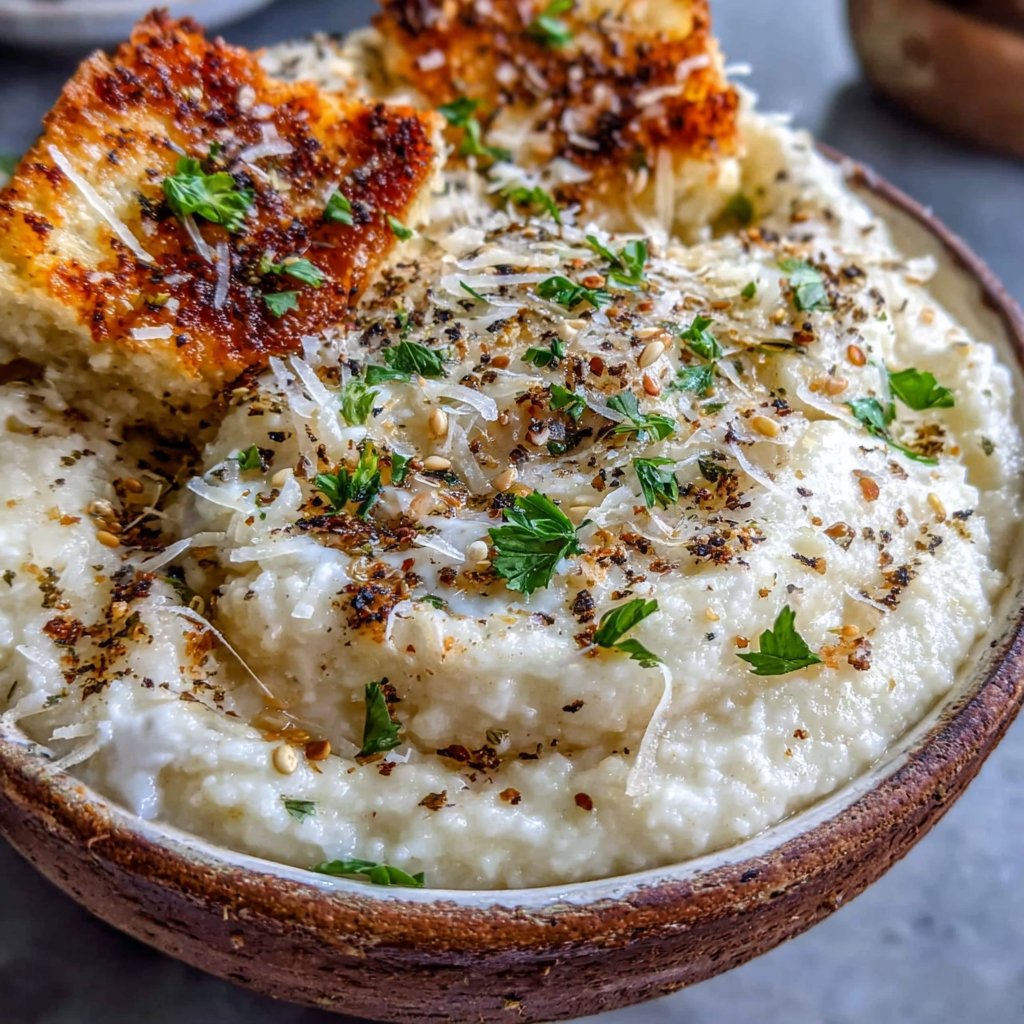
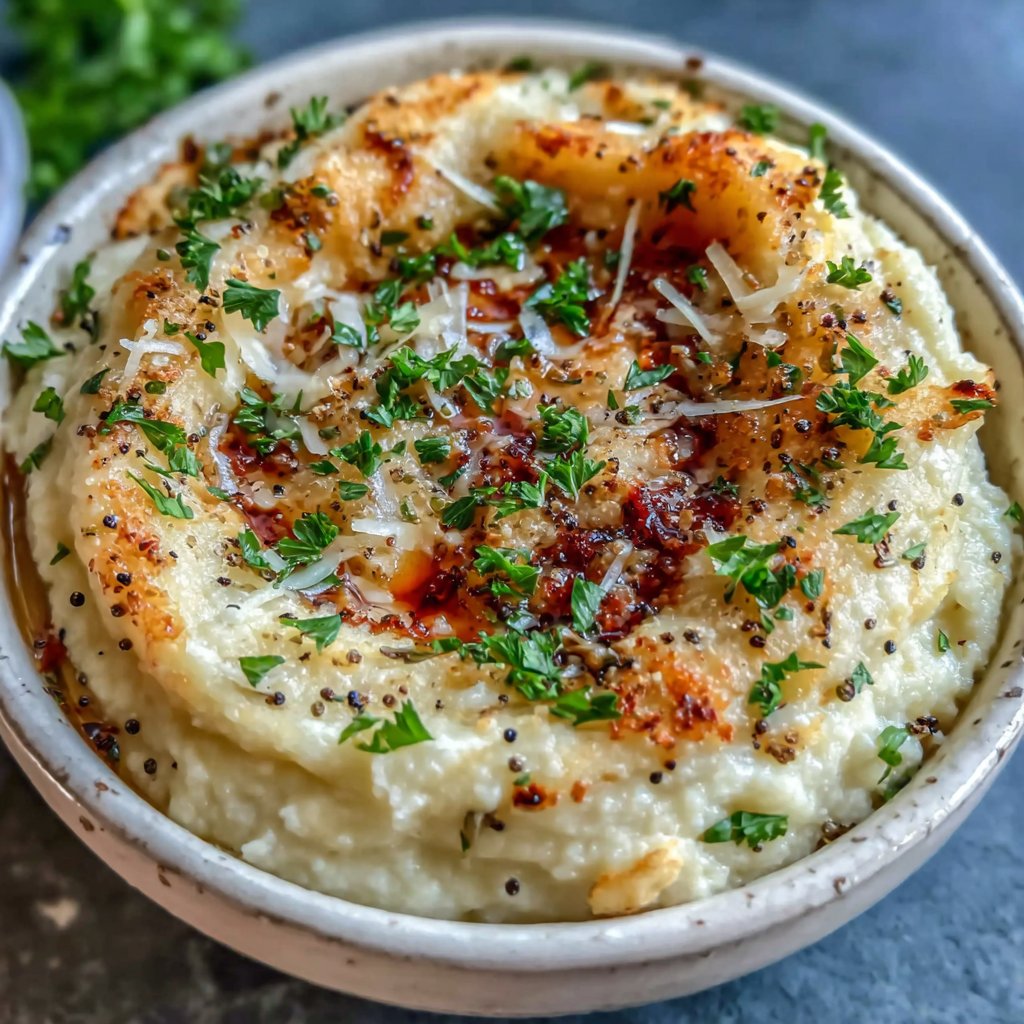
I love making Creamy Parmesan Polenta because it's a comforting dish that comes together quickly and effortlessly. The creamy texture combined with the savory notes of Parmesan cheese makes it a versatile side dish that pairs beautifully with a variety of meals. Whether I serve it alongside grilled meats or roasted vegetables, this polenta is a surefire hit. Plus, with just a handful of ingredients and minimal cooking time, it's the perfect recipe for both weeknight dinners and special occasions.
I remember the first time I made Creamy Parmesan Polenta; it was during a cozy winter evening when I wanted something warm and satisfying. Cooking the polenta slowly, while stirring constantly, created a velvety texture that was so inviting. Adding freshly grated Parmesan at the end turned this simple dish into something special, elevating its flavor profile in a way that is often overlooked.
Over the years, I’ve learned that using high-quality ingredients, like good Parmesan and fresh herbs, really makes a difference. When I top it with sautéed mushrooms or a rich tomato sauce, the polenta transforms into a comforting main dish full of flavors. It’s a foolproof recipe that I can always rely on!
Why You'll Love This Recipe
- Rich, creamy texture that warms you up
- Loaded with savory Parmesan flavor
- Quick to prepare, perfect for any occasion
Understanding Polenta
Polenta is made from ground cornmeal, which is the star ingredient of this dish. It’s essential to choose high-quality cornmeal for the best flavor and texture. The cooking process transforms the cornmeal into a creamy, smooth consistency that should be both thick and pourable. I recommend using medium to coarse cornmeal for a slightly grainy texture that adds character to the dish. Avoid instant polenta for this recipe, as it lacks the depth of flavor and creamy consistency achieved through proper cooking.
When preparing polenta, the ratio of cornmeal to water is crucial. For a creamy texture, the 1:4 ratio I use is optimal, yielding polenta that's neither too stiff nor too runny. If you prefer a thicker final dish, you could reduce the water slightly, but ensure you're prepared for a longer cooking time to achieve that creamy quality. Cooking polenta over low heat helps to prevent scorching, so be patient as it thickens slowly over about 20 minutes.
Enhancing Flavor
The addition of Parmesan cheese and butter to the polenta is what elevates this dish from simple to luxurious. Parmesan not only contributes to the dish’s rich flavor but also enhances its creaminess. For a deeper, nuttier flavor, I often recommend using freshly grated Parmesan instead of pre-packaged varieties, as they contain anti-caking agents that can affect melting. Aged Parmesan can also impart a more complex taste if you prefer a stronger umami presence.
If you're looking to customize the flavor, consider adding minced garlic or fresh herbs such as thyme or rosemary when incorporating the cheese and butter. These ingredients add a fragrant note that complements the polenta beautifully. For a dairy-free version, nutritional yeast can provide a similar depth of flavor while maintaining that creamy texture when combined with a non-dairy butter substitute.
Serving Suggestions
Creamy Parmesan polenta is incredibly versatile and pairs well with various dishes. It makes an excellent base for braised meats, roasted vegetables, or even a rich mushroom ragù. I love serving my polenta under a hearty Bolognese sauce or alongside grilled sausage. For a lighter option, consider sautéing seasonal vegetables in olive oil and serving them on top of the polenta for a colorful presentation.
If you're making polenta for a crowd or preparing it ahead, you can store it in the refrigerator for up to three days. When reheating, add a splash of water or broth to loosen it up and stir frequently over low heat until creamy again. You can even let it set in a mold and slice it, then pan-fry the slices for a delightful crispy crust. This versatile preparation keeps the dish interesting and expands your serving options.
Ingredients
Ingredients
For Creamy Parmesan Polenta
- 1 cup cornmeal
- 4 cups water
- 1 cup grated Parmesan cheese
- 2 tablespoons butter
- Salt to taste
- Freshly ground black pepper to taste
Mix well before serving to ensure the cheese and butter are fully incorporated.
Instructions
Instructions
Prepare the Polenta
In a large saucepan, bring the water to a boil. Gradually whisk in the cornmeal, stirring to prevent lumps. Reduce the heat to low.
Cook the Polenta
Continue cooking the polenta, stirring frequently, until it thickens (about 20 minutes).
Add Cheese and Butter
Once the polenta is thickened, remove it from the heat and stir in the butter and Parmesan cheese until melted and smooth.
Season and Serve
Season with salt and freshly ground black pepper to taste. Serve warm as a side dish.
For a twist, try adding herbs or sautéed vegetables for extra flavor.
Pro Tips
- For smooth polenta, make sure to whisk continuously as you add the cornmeal to the boiling water.
Make-Ahead Tips
Polenta can be made ahead of time and stored for quick meals during the week. Once cooked, let the polenta cool and transfer it to an airtight container. It can be refrigerated for up to three days. When you're ready to serve, just add a little extra water or stock while reheating to achieve that creamy texture again. If you plan to freeze it, consider portioning it into small containers to make reheating easier.
To freeze polenta, spread the cooled mixture in a thin layer in a baking dish. Once it's solid, cut it into squares and transfer them to a freezer bag. You can directly reheat these pieces in a skillet with a little olive oil for a crispy finish or in the microwave with added liquid. Reheating from frozen will take a bit longer, so be patient—you want it to reach a creamy consistency again.
Troubleshooting Common Issues
If you find that your polenta is lumpy, it might be due to adding the cornmeal too quickly to the boiling water. To avoid this in the future, whisk the cornmeal into the water gradually and keep stirring vigorously. If lumps do form, using an immersion blender right before adding the cheese can smooth it out effectively without altering the texture significantly.
Another common issue is polenta that’s too thick. If this happens, simply add more water or milk and stir it in over low heat until you reach the desired consistency. Conversely, if your polenta is too runny, continue cooking it over low heat, stirring constantly until it thickens. Just make sure to monitor it closely to prevent burning or sticking.
Variations on a Classic
While Parmesan is a classic go-to, feel free to experiment with different cheeses. For a sharp flavor, consider adding crumbled feta or tangy goat cheese. Smoked cheeses can also add a unique twist that’s perfect for pairing with grilled meats. If you’re in the mood for something different, try mixing in blue cheese near the end of cooking for a bold flavor punch.
You can also enhance the polenta by stirring in additional ingredients like cooked bacon, sautéed mushrooms, or even spinach. These additions not only enhance flavor but also provide texture and visual appeal. Don't be afraid to get creative—your polenta can easily adapt to whatever ingredients you have on hand, making it a perfect blank canvas for culinary experimentation.
Questions About Recipes
→ Can I make polenta ahead of time?
Yes, you can prepare polenta ahead of time and reheat it with a little water or broth to restore its creamy texture.
→ What can I serve with polenta?
Polenta pairs well with grilled meats, stews, and roasted vegetables, making it a versatile side dish.
→ Can I use cheese other than Parmesan?
Absolutely! You can substitute with Pecorino Romano, Gruyère, or any sharp cheese you prefer.
→ Is this recipe gluten-free?
Yes, polenta is made from cornmeal and is naturally gluten-free.
Creamy Parmesan Polenta
Created by: The Chefisaacbakes Team
Recipe Type: Home Cooking
Skill Level: Beginner
Final Quantity: 4 servings
What You'll Need
For Creamy Parmesan Polenta
- 1 cup cornmeal
- 4 cups water
- 1 cup grated Parmesan cheese
- 2 tablespoons butter
- Salt to taste
- Freshly ground black pepper to taste
How-To Steps
In a large saucepan, bring the water to a boil. Gradually whisk in the cornmeal, stirring to prevent lumps. Reduce the heat to low.
Continue cooking the polenta, stirring frequently, until it thickens (about 20 minutes).
Once the polenta is thickened, remove it from the heat and stir in the butter and Parmesan cheese until melted and smooth.
Season with salt and freshly ground black pepper to taste. Serve warm as a side dish.
Extra Tips
- For smooth polenta, make sure to whisk continuously as you add the cornmeal to the boiling water.
Nutritional Breakdown (Per Serving)
- Calories: 320 kcal
- Total Fat: 15g
- Saturated Fat: 8g
- Cholesterol: 35mg
- Sodium: 420mg
- Total Carbohydrates: 40g
- Dietary Fiber: 3g
- Sugars: 1g
- Protein: 10g